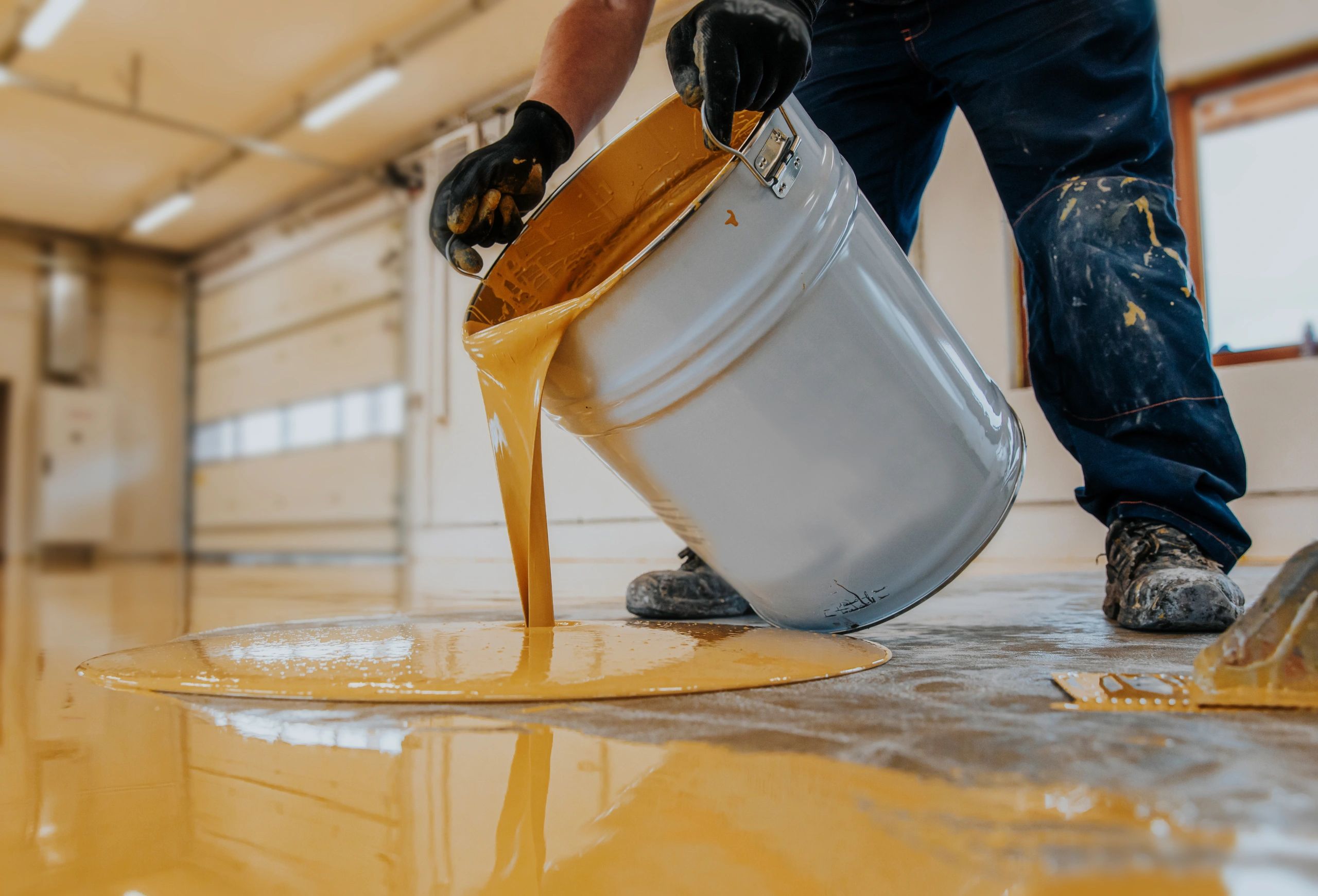
You'll hear "15 to 20 years" quoted everywhere. But that's not a guarantee, it's a range based on conditions. Some floors outlast that window. Others fail in half the time. Understanding what affects lifespan helps you build a floor that reaches or exceeds the 15 to 20 year target.
The 15 to 20 Year Claim Explained
This range assumes a professionally installed epoxy system applied to properly prepared concrete, in a normal garage environment with regular maintenance. It's not a legal warranty on every floor; it's the realistic expectation for a well-built system.
Reality is more nuanced. Premium commercial epoxy systems in controlled environments last 25 to 30 years or longer. Residential epoxy in a harsh garage might show wear at 10 to 12 years. The variables matter.
What Affects Lifespan Most
1. Surface Preparation
This is the biggest factor. A floor prepped with diamond grinding to CSP 3 or 4 profile, properly cleaned, and primed will last the full 15 to 20 years. A floor prepped with only acid etching or light grinding is already compromised and might fail at 7 to 10 years due to adhesion loss.
Preparation is what determines whether your epoxy bonds permanently or sits on top of the concrete waiting to peel.
2. Product Quality and Coating Type
Low-solids, water-based epoxy breaks down faster than 100 percent solids epoxy. Traditional epoxy lasts 15 to 20 years in protected environments. Polyaspartic lasts 12 to 15 years but excels in UV-exposed areas (outdoor applications). Hybrid systems, epoxy base with polyaspartic topcoat, often exceed 20 years.
Material cost reflects durability. Cheaper epoxy fails first.
3. Topcoat Choice
A clear poly or polyaspartic topcoat over epoxy adds years. The topcoat absorbs UV exposure and wear, protecting the epoxy beneath. Floors without a topcoat show chalk and fading within 5 to 7 years in sunlit garages.
4. Traffic and Use Patterns
A light-use garage floor (one car, infrequent visits) lasts longer than a busy workshop or commercial garage floor. Every drive-on, heavy tire load, oil spill, and chemical exposure stresses the coating. A floor handling daily heavy machinery wears faster than a weekend hobby garage.
5. Climate and Temperature Swings
Westchester County's freeze-thaw cycles stress concrete and coatings. Seasonal temperature swings from -10 degrees to 90 degrees cause expansion and contraction. Epoxy that moves with the concrete lasts longer. Rigid or poorly adhered epoxy cracks and delaminates.
Humidity and moisture are equally important. A damp garage promotes adhesion failure and coating breakdown.
6. Maintenance Routine
A well-maintained floor lasts much longer. Regular sweeping, periodic deep cleaning, prompt repair of cracks, and occasional resealing extend life by 5 to 10 years. Neglected floors, where salt, oil, and moisture accumulate, show wear earlier.
When to Maintain vs. Recoat vs. Reinstall
Years 1 to 10: Maintenance
In the first decade, your floor should look almost new with basic care. Sweep regularly. Degrease stains. Repair small cracks with epoxy filler immediately. Reseal high-traffic areas with a topcoat every 3 to 5 years to maintain gloss and protect the base coat.
Years 10 to 15: Targeted Repairs
Around year 10, expect some wear in high-traffic areas. We can spot-repair or resurface worn sections. A fresh topcoat over the existing base coat refreshes appearance and extends life by another 5 to 7 years.
Years 15 to 20 Plus: Recoat or Replace?
If your base coat is still bonded (no peeling or delamination), we can apply a new topcoat system, effectively resetting the 15-year clock. A fresh polyaspartic layer costs less than a full reinstall and gives you another 12 to 15 years.
If the base coat is failing (peeling, soft spots, or widespread adhesion loss), complete removal and reinstallation is necessary. This is rare with professional work but common with DIY or bargain contractor floors.
Moisture: The Hidden Lifespan Killer
Concrete wicks moisture from the ground, especially in wet seasons or low-lying areas. Moisture trapped under epoxy causes soft spots, bubbling, and adhesion failure. Testing for moisture and properly sealing the concrete before coating is critical.
If you suspect moisture problems, ask your contractor to perform a moisture test (calcium chloride or other method). Seal concrete with a moisture-blocking primer if needed. This investment pays dividends in floor longevity.
The 15 to 20 Year Promise
You can hit the upper range of that expectation. Proper prep, premium materials, appropriate topcoat, reasonable use, basic maintenance, and professional installation all work together to deliver a 20-year floor that still looks great in year 10.
We stand behind every floor we install with a 2-year warranty. But the real test is year 5, year 10, and year 15, when you see the long-term results of our craftsmanship. That's when a well-built epoxy floor becomes obvious.
Let's talk about building your 20-year floor today.