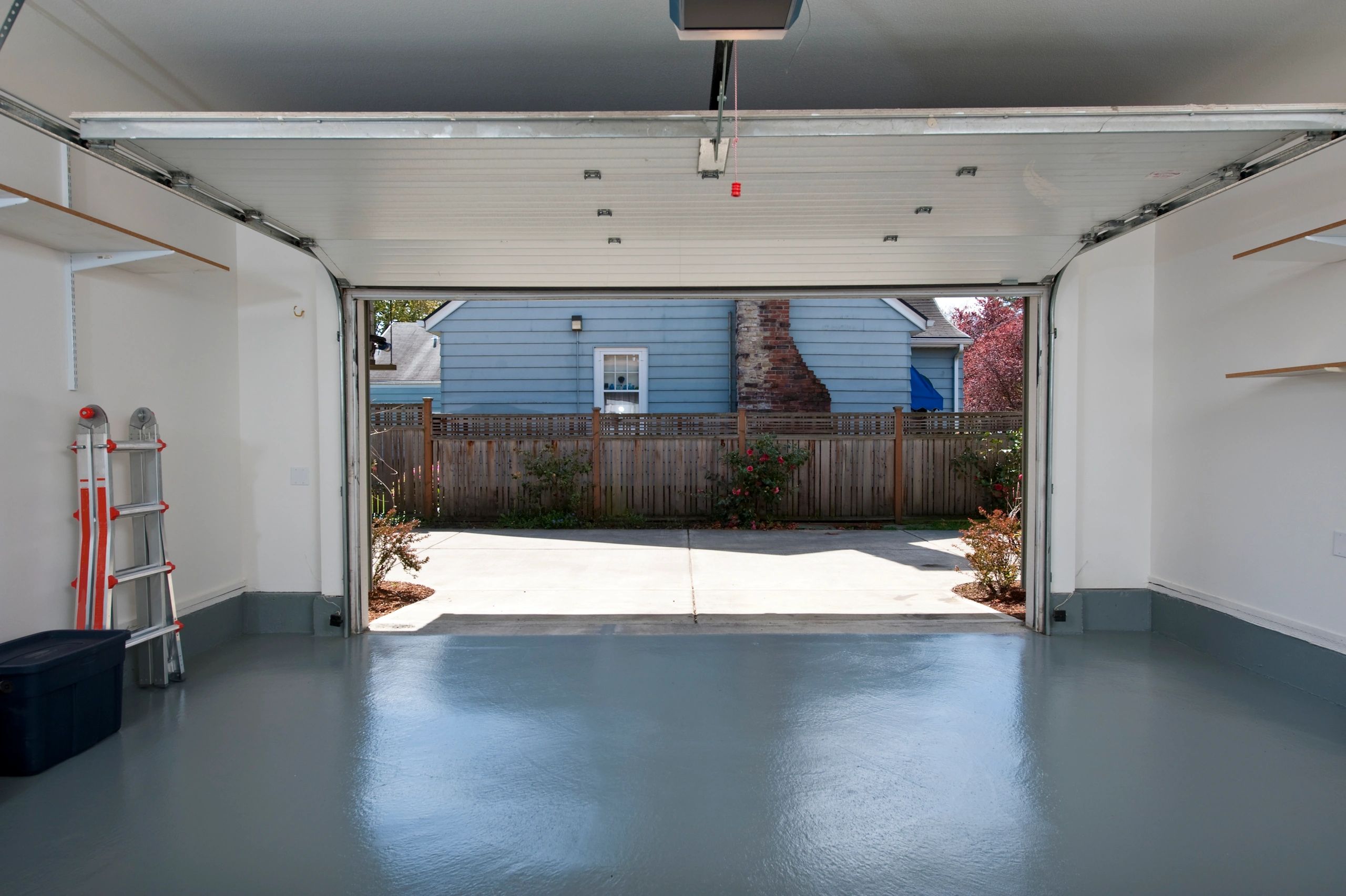
When you're ready to transform your garage floor, you'll hear two names over and over: epoxy and polyaspartic. Both are premium floor coatings, but they're not the same. Understanding the differences helps you choose the system that's right for your home, budget, and timeline.
What Is Epoxy?
Epoxy is a two-component coating made from resin and hardener. When mixed, they create a chemical bond that produces an incredibly durable, glossy finish. Traditional epoxy takes time to cure, typically 24 to 72 hours before you can walk on it and several more days before it reaches full strength. This slow cure time has been the industry standard for decades, and for good reason: the chemistry creates a rock-solid bond to your prepared concrete floor.
What Is Polyaspartic?
Polyaspartic is a newer coating chemistry, often called a "fast-setting epoxy" or aliphatic polyaspartic polyurea. It shares many qualities with epoxy, but it cures in a fraction of the time, often in just hours. Polyaspartic was originally developed for industrial and commercial applications where downtime is costly. It's now becoming standard for high-end residential work.
Five Key Differences Between Epoxy and Polyaspartic
1. Cure Time and Traffic Readiness
Epoxy: 24 to 72 hours before light traffic, 5 to 7 days for full cure and heavy use. Polyaspartic: Ready for light traffic in 2 to 4 hours, full cure in 24 hours. If you need your garage back immediately, polyaspartic wins.
2. UV Stability and Yellowing
Traditional epoxy yellows in direct sunlight, especially lighter colors. If your garage gets a lot of natural light, this is visible within months. Polyaspartic resists UV fading much better and is ideal for outdoor or bright indoor applications. Epoxy is fine for darker garages or interiors.
3. Temperature Range During Installation
Epoxy performs best when installed between 50 and 85 degrees Fahrenheit. Polyaspartic can be applied in cooler conditions, down to 40 degrees. In Westchester County, where fall and spring temperatures fluctuate, polyaspartic offers more scheduling flexibility.
4. Flexibility and Adhesion
Polyaspartic is slightly more flexible than epoxy, which can be an advantage on concrete that experiences minor seasonal movement. However, both are rigid finishes. The difference is minimal in practice. What matters more is surface prep: a properly ground and prepared floor will hold either coating for 15 to 20 years.
5. Cost
Polyaspartic costs more per gallon than traditional epoxy, but installation is faster. For most homeowners, the total cost difference is 10 to 20 percent, with polyaspartic being the premium choice. The faster cure time often justifies the expense.
When to Use Epoxy
Epoxy is the right choice if you have no time pressure, want the proven 40-year track record, and are comfortable waiting a week for full cure. It's also excellent for covered, shaded garages and dark color preferences. Epoxy delivers reliability and is easier on your budget if you're comparing cost-per-gallon alone.
When to Use Polyaspartic
Choose polyaspartic if you need to use your garage within 24 hours, your garage has significant natural light, you're installing in cooler months, or you want the latest technology. Polyaspartic is the choice for busy families, businesses, and homeowners who prioritize speed without sacrificing durability.
Our Recommendation: A Hybrid Approach
Here's what we've learned through hundreds of installations: the best floors often use both. We apply a premium epoxy base coat, which cures fully and creates an unshakeable foundation, then top it with a fast-curing polyaspartic coat. This hybrid system gives you the adhesion and longevity of epoxy with the UV protection and quick turnaround of polyaspartic. You get the best of both worlds.
Whether you choose pure epoxy, pure polyaspartic, or a hybrid system, what matters most is how your concrete is prepared. A floor that's been diamond-ground to specification (CSP 3 or 4) and properly primed will outperform a fast-tracked floor installed on inadequate prep work. We never compromise on surface preparation, regardless of coating choice.
Ready to choose your system? Let's talk through your project timeline, lighting conditions, and budget. We'll recommend the coating that makes the most sense for your specific situation.