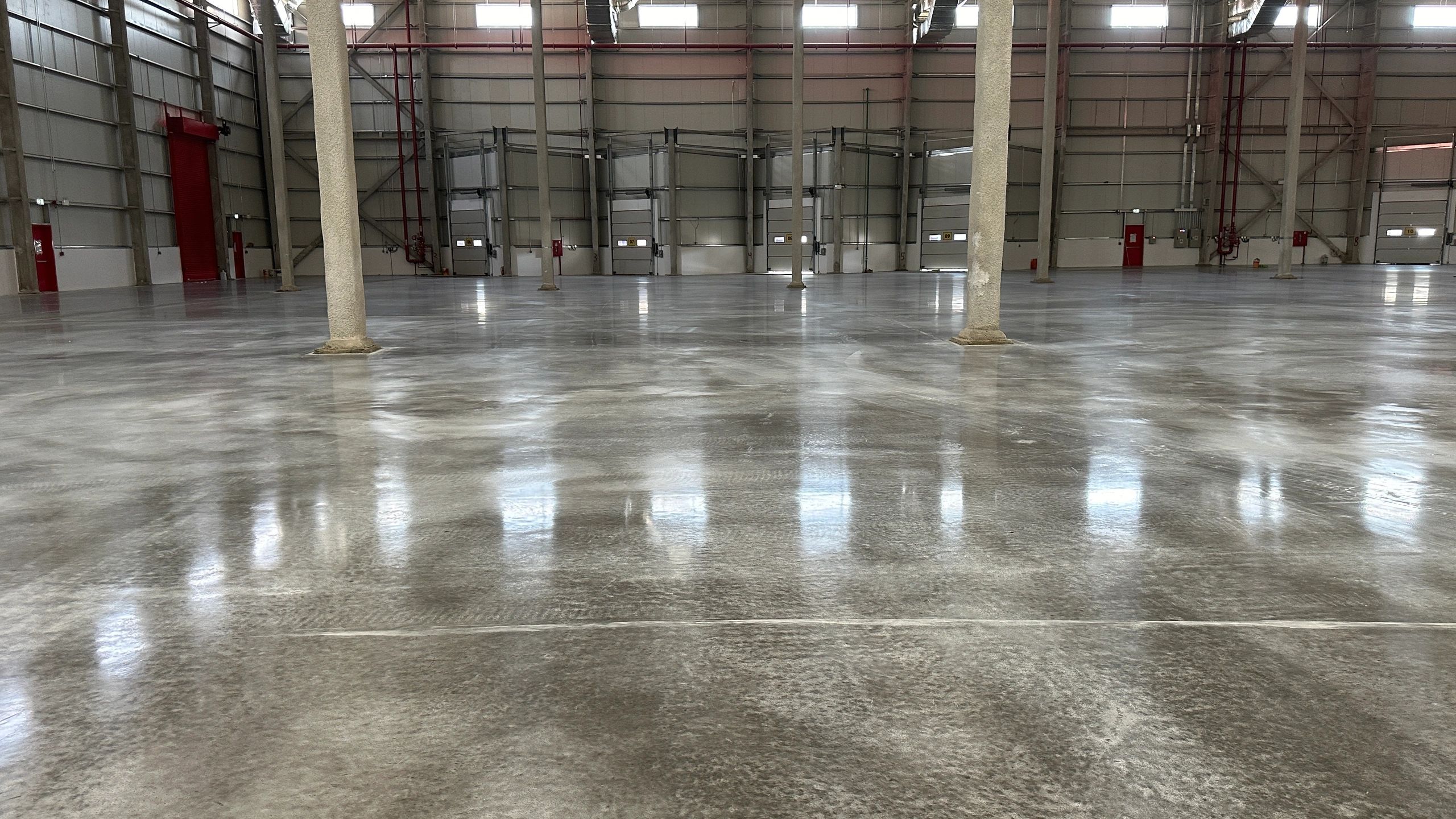
You can buy an epoxy kit at a big-box store for $200 and apply it yourself. Should you? Let's be honest about what DIY kits are, how they compare to professional systems, and when DIY makes sense.
What Retail Epoxy Kits Actually Are
Retail kits are consumer-grade products designed for simplicity and cost, not longevity. They're packaged in small quantities (often 1 to 2 gallons), use water-based or low-solids formulations, and include minimal surface prep instructions. The appeal is obvious: low cost, quick project, immediate gratification.
The reality is different. These kits are formulated for homeowners without equipment, not for the harsh garage environment where cars drip oil, tires leave marks, and temperature swings cause expansion and contraction.
Solids Content, Explained
Here's the fundamental difference: professional epoxy contains 90 to 100 percent solids, meaning nearly everything in the can becomes the hardened coating. Retail kits often contain 30 to 50 percent solids, the rest being water or solvents that evaporate. As they evaporate, the coating shrinks and thins.
A professional-grade epoxy applied at two coats reaches 20 to 30 mils thick. A retail kit often reaches 5 to 8 mils. The thinner coating wears through faster, shows tire marks sooner, and peels more easily if adhesion is compromised.
Mil Thickness: The Crucial Difference
A "mil" is one-thousandth of an inch. Professional epoxy systems are specified in mils, not just "one coat" or "two coats." A proper residential epoxy system is 20 to 25 mils total. Industrial systems are 30 to 50 mils. DIY kits rarely exceed 8 to 10 mils combined.
Thicker coating means more durability, more impact resistance, and more years of life. A 5-mil coat scuffs easily. A 25-mil coat resists damage for decades.
Why Diamond Grinding Matters More Than You Think
DIY kits almost always assume you'll acid etch your concrete (a chemical etch that costs $100 to $200 if you buy the kit yourself). Acid etching creates a rough texture for adhesion but doesn't open the concrete the way diamond grinding does.
Diamond grinding removes the top skim of concrete, exposing the aggregate and creating a mechanical profile (CSP 3 or 4) that professional epoxy bonds to permanently. It costs time and equipment but is the difference between a coating that lasts 20 years and one that peels in 3 to 5 years.
Professional contractors have diamond grinding equipment. Most homeowners don't and can't afford to rent it.
What Professionals Provide That DIY Kits Don't
Equipment and Experience
Professional installers have concrete grinders, degreasers, spray systems, and tools worth tens of thousands of dollars. They understand moisture issues, concrete curing, concrete sealing, and coating compatibility. Experience catches problems before they become failures.
Material Warranty
A retail kit comes with a consumer guarantee, often limited. Professional coatings come with manufacturer warranties of 10 years or more, plus a contractor warranty that backs the installation. If something goes wrong, you have recourse.
Proper Surface Preparation
Professionals spend 60 to 70 percent of their time on surface prep. DIY advice often says "clean and acid etch." That misses grinding, crack filling, moisture testing, and degreasing. A properly prepared floor is 80 percent of the success.
Application Technique
Applying epoxy evenly, avoiding streaks, managing working times, and achieving proper thickness requires practice. One amateur mistake (like overworking the coating or applying too thick) and your floor has voids, uneven gloss, or poor adhesion.
When DIY Makes Sense
DIY epoxy is reasonable if you're painting a basement storage area, a non-traffic workshop floor, or an art studio where aesthetics and durability are less critical. If you have realistic expectations (5 to 7 years of life, not 20), and if you're comfortable with the possibility of failure, DIY can be a fun weekend project.
DIY also makes sense as a temporary solution. If your floor is in decent shape and you want an affordable quick fix until you can afford a professional system, a retail epoxy will buy you time.
When DIY Is a Mistake
For a garage you'll use for 10 to 20 years, for a showpiece floor, or for an area where failure is messy (kitchen, mudroom, finished basement), DIY is the wrong choice. You'll likely spend twice as much fixing the DIY attempt as you would have paid a professional upfront.
We regularly receive calls from homeowners who tried DIY epoxy and watched it peel, chalk, or develop soft spots within a year or two. Fixing it requires grinding off the failed coating, re-prepping the concrete, and starting over. That costs $3,000 to $5,000, versus $4,000 to $6,000 for a professional job done right the first time.
The Bottom Line
A DIY kit costs $200 to $400 but delivers a 5 to 7 year floor and risks waste, mess, and failure. A professional installation costs $3,000 to $6,000 and delivers a 15 to 20 year floor with warranty protection. The professional path is more expensive upfront but much cheaper over time.
If you love the idea of a weekend project and understand the risks, grab a retail kit and have fun. If you want a floor that lasts and performs, invest in professional installation. We're here to build the floor you'll be proud of for decades.